
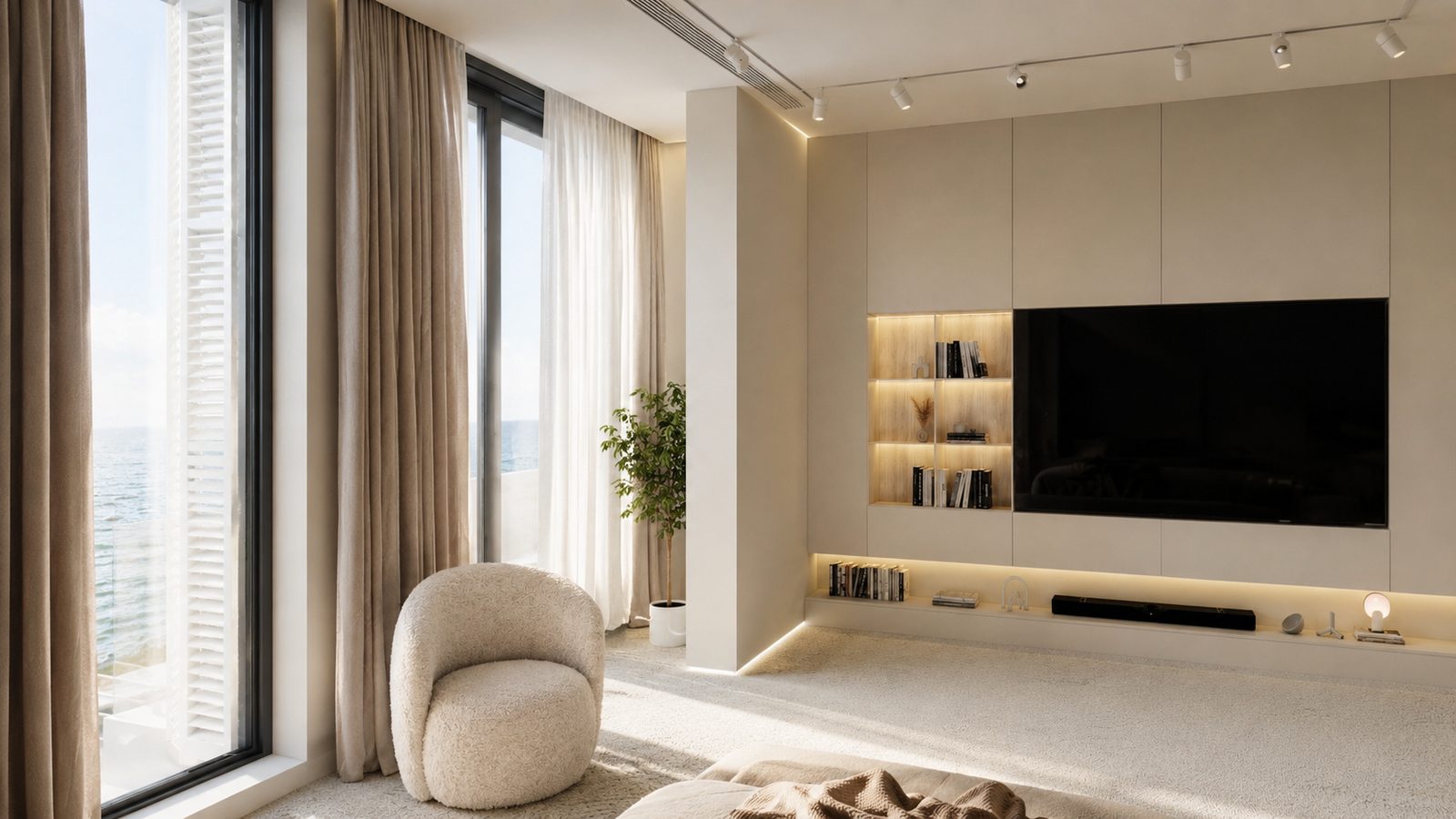
TL;DR: In Dubai, paint costs AED 10 to 25 per square metre and most installed wallpaper AED 45 to 150, and paint stays cheaper over ten years of repaints. Wallpaper is worth it on one or two feature walls in dry, conditioned rooms. On AC-cooled external walls and in bathrooms with a shower, paint is the safer choice.
The question usually comes up at the design stage, when a mood board puts a textured wall behind the bed and the owner asks whether it will survive a Dubai summer. How long wallpaper lasts here depends more on the wall it goes on than on the brand of the roll. Paint rates, brands and preparation are broken down in our painting cost guide for Dubai, so paint appears below only as the baseline to compare against.
What wallpaper costs against paint per square metre
Paint in Dubai prices at AED 10 to 18 per square metre of painted surface for a standard job and AED 18 to 25 with deep preparation and a premium line. Wallpaper is sold by the roll, which makes quotes hard to compare until you convert them. A standard European roll is 53 centimetres wide and 10.05 metres long, about 5.3 square metres. Wide non-woven rolls are 1.06 metres wide and cover about 10.6 square metres. On a large pattern repeat, order 10 to 15 per cent extra for matching.
Converted to installed prices per square metre of wall, the Dubai market sits in roughly these bands. They are ranges we see on quotes and supplier sites, not a DOMECO rate card:
- Supplier-house vinyl or non-woven, often sold with fitting included: AED 45 to 80
- Branded European non-woven and vinyl: AED 80 to 150
- Grasscloth, silk, fabric-backed papers and bespoke murals: AED 200 to 500 and above
If you buy the rolls yourself, fitting alone starts at about AED 50 per roll on flat walls and runs AED 60 to 120 per roll for heavier materials or awkward walls. Some installers quote AED 20 to 50 per square metre instead. Natural fibres and murals sit at the top of that range, because a misaligned drop of grasscloth cannot be peeled off and rehung.
Take a 3.6 by 4 metre bedroom with a 2.9 metre ceiling. Net of a door and a large window, that is about 38 square metres of wall. Painting it costs roughly AED 380 to 950. Papering all four walls in a branded non-woven costs AED 3,040 to 5,700. The wall behind the bed, about 12 square metres, comes to AED 540 to 960 in supplier-house paper, AED 960 to 1,800 branded, and AED 2,400 to 6,000 or more in grasscloth.
Preparation does not get cheaper with wallpaper. The wall still needs filling and sanding, and wallpaper wants a dedicated wallpaper primer on top so it can be stripped later without tearing the skim coat. Thin papers also show every filler edge under raking light from a big window. Heavy textured vinyl hides minor defects better, which matters on an older villa wall that would otherwise need a full re-skim before paint.
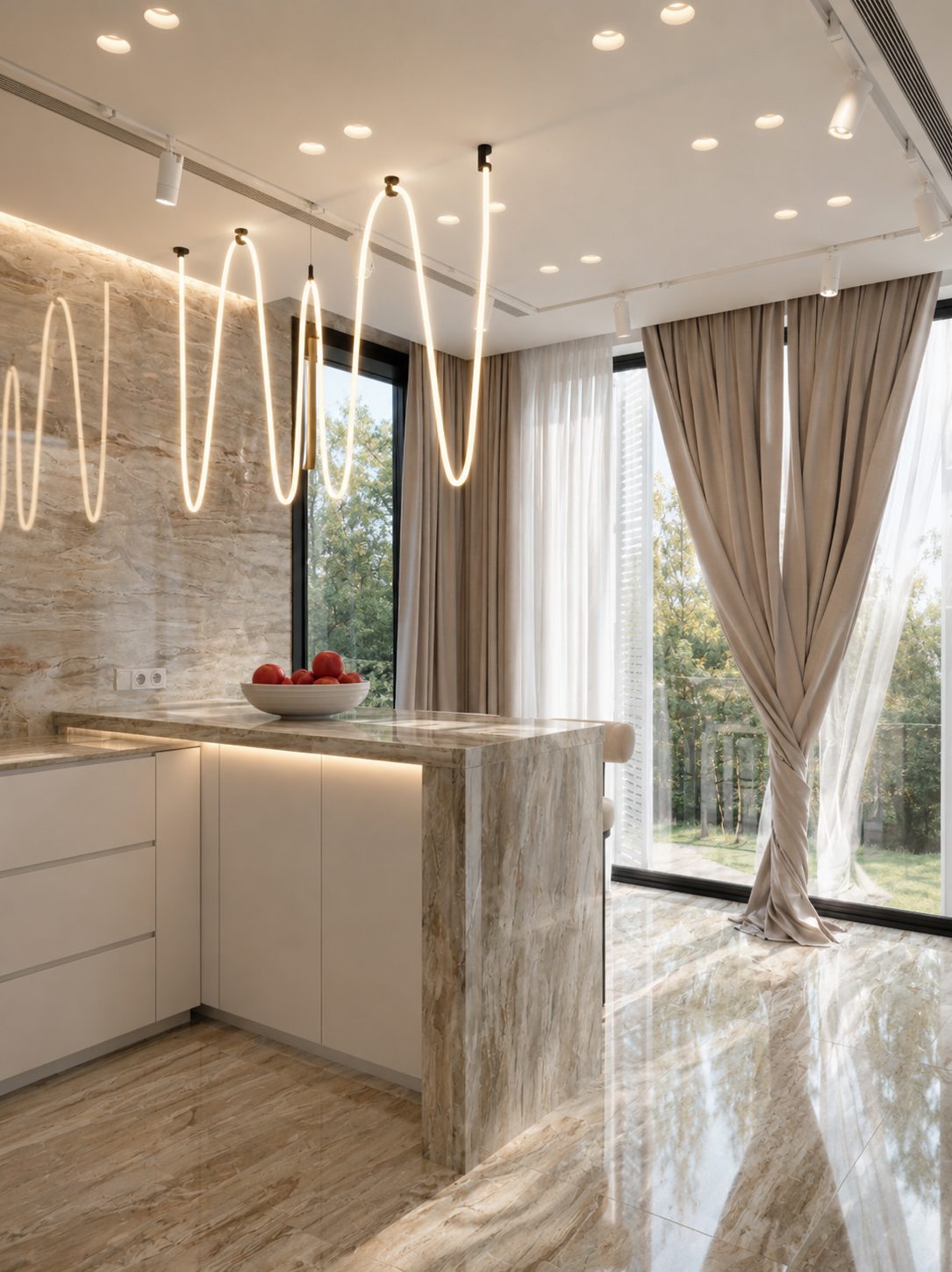
Cost over ten years, repaints and stripping included
Most painted walls in Dubai apartments get repainted every three to five years. The film rarely fails. The painter comes back for tenancy changes and scuffed walls. On the 12 square metre bedroom wall, three paint jobs over a decade come to about AED 360 to 900.
Branded wallpaper on the same wall costs AED 960 to 1,800 once, assuming it survives the full ten years. At the end it has to come off. Stripping runs at a market band of roughly AED 15 to 40 per square metre, so add AED 180 to 480, plus filling and paint if the skim lifts with the paper. The decade total lands around AED 1,140 to 2,280, about three times the painted wall.
That makes wallpaper a design decision rather than a saving, and the money case for it is narrow. On high-traffic walls, a scrubbable vinyl can go years without the repaints a corridor or a child's room would otherwise need. A heavy vinyl or lining paper also earns its cost on a poor substrate, where it replaces a re-skim that would cost more than the paper.
Budget paper shortens the sum the other way. When cheap, thin paper goes onto an unprimed wall in a flat where the AC is switched off for the summer, we usually see seams opening within the first year or two, and the owner pays for fitting twice.
Durability under 24/7 air conditioning and humidity
The failure that matters in Dubai happens behind the paper, on external walls. In summer the air outside is hot and wet, often above 80 per cent relative humidity on the coast at night, while the room inside sits at 22 to 24 degrees. Water vapour moves from the warm side to the cool side, so it travels inward through the block wall. Emulsion paint lets that moisture pass into the room, where the air conditioning removes it. Solid vinyl stops it at the back of the sheet. The vapour meets the cool face and condenses, and the starch or cellulose paste gives mould something to feed on.
The signs show up long before the wall is ruined: seams lifting, soft bubbles in the middle of drops, pink or grey spots along the edges, a musty smell behind a wardrobe on an outside wall. By the time black patches come through the face, the plaster behind needs treating before anything goes back on.
On external walls we would rather use a breathable non-woven with a mould-inhibiting paste, or paint that wall and put the paper on an internal partition. A wall between two conditioned rooms has no vapour drive through it, so vinyl performs well there. In a new villa, check the moisture in fresh blockwork and plaster before hanging anything, since it can hold water for months after handover. New units also crack. Hairline settlement cracks appear in the first year, and paper over a live crack splits along it, so wait out the defects liability period or accept a repair visit.
Switching the AC off for July and August is the other common cause. The flat heats up, humidity climbs, the paste softens and seams open. Leaving the thermostat at around 26 to 28 degrees while you travel costs less than rehanging a room.
Sun is the next problem, on west-facing glass in Marina towers and Palm Jumeirah villas. Natural grasscloth and silk fade unevenly within a year or two in direct afternoon sun, and the faded strips stay visible because each drop fades at its own rate. Check the lightfastness symbol on the roll label before you commit, and keep natural fibres off walls that take direct sun. Deep paint colours fade too, but a repaint is cheap.
Cleaning matters because Dubai dust settles daily. The wave symbols on a wallpaper label tell you what the surface tolerates, from one wave for a damp sponge up to a wave with a brush for scrubbing. Scrubbable vinyl wipes clean and most non-woven papers take a sponge. Grasscloth takes a soft brush and nothing wet, a poor match for a dining wall.
Repairs work differently for each finish. A damaged painted wall usually means repainting the whole wall, as the painting guide explains. A torn drop of wallpaper can be replaced on its own, but only from the same production batch, so keep one spare roll with the batch number written on the box.
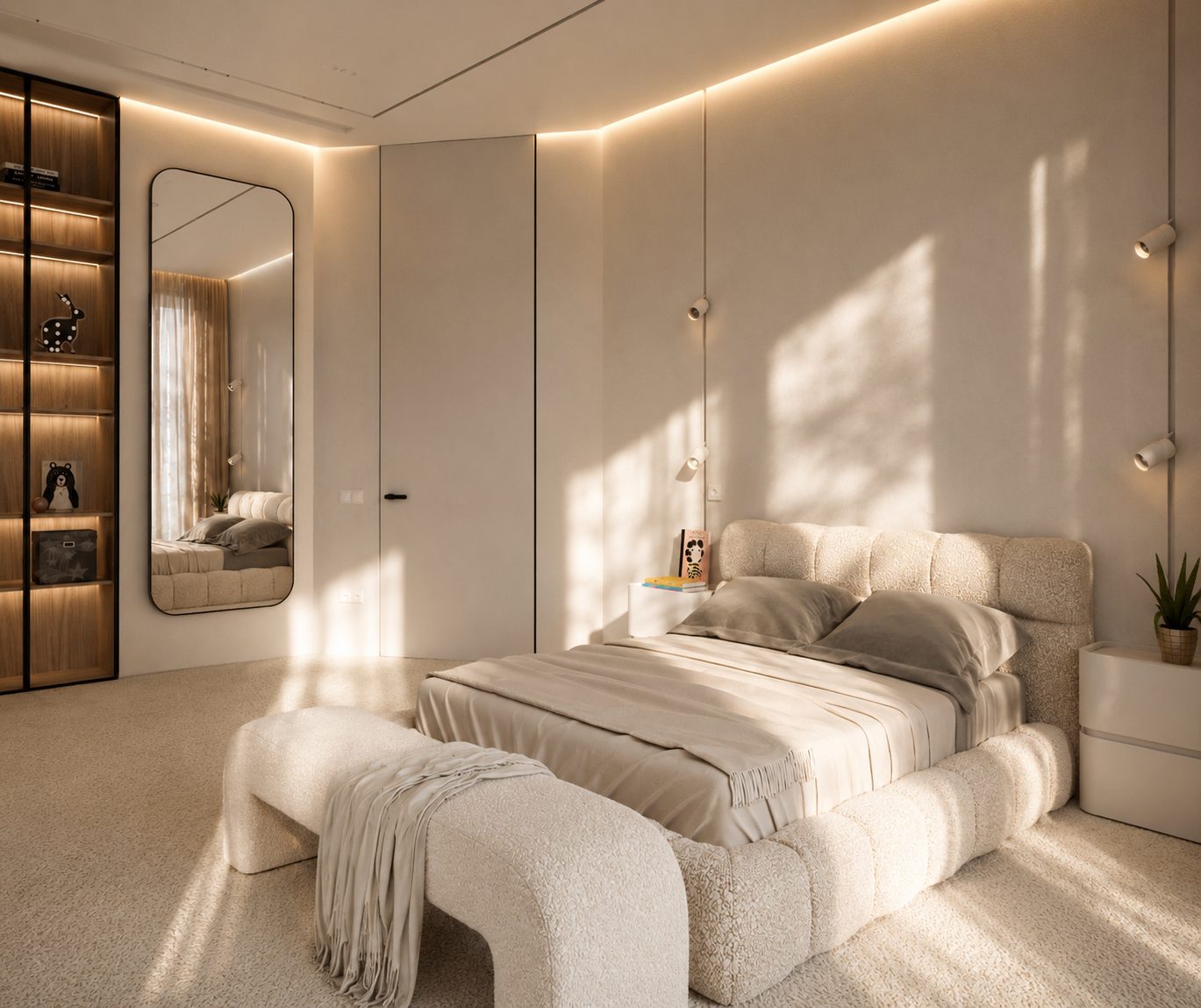
Room by room: where each finish belongs
In living rooms and master bedrooms, the split we draw most often is one wallpapered feature wall on an internal partition and paint everywhere else. That gets the texture into the room at a fraction of the full-room cost and keeps paper off the external wall with the windows.
Children's rooms take a beating at chair and bed height. A scrubbable vinyl or a wipeable paint both work there. Peel-and-stick murals get picked at the corners within months.
Bathrooms with a shower get paint in a moisture-resistant line, or tile. Steam reaches the paste within weeks, and there is no wallpaper we would put inside that room. A guest WC without a shower is a different case and one of the best places in a home for a bold paper, provided the extractor fan works and the paper is vinyl within splash reach of the basin.
Kitchens get paint. Paper can go on a wall well away from the hob and the sink, never as a splashback, where glass or tile belongs. Corridors and stairwells suit scrubbable vinyl or wipeable paint, and in a villa stairwell both need the same access equipment, so height does not change the comparison. Laundry rooms and maid's rooms get paint.
These choices are easiest to get right on the drawings, with the external walls and the AC layout marked, before anyone orders rolls. That is how we build the finishes schedule in our interior design projects, where paper and paint are specified together with the joinery instead of being picked wall by wall on site.
Wallpaper in a rented apartment
Dubai tenancy rules expect a unit back in the condition it was handed over, allowing for ordinary wear, and changes to the property need the landlord's consent. Get that consent in writing (an email is enough) before anything goes on a wall. If you hire a contractor, most towers also require a building management work permit, typically issued in 3 to 7 days.
Peel-and-stick paper is the usual tenant answer, and it behaves worse here than the packaging suggests. On a wall near hot glass the adhesive softens and the edges lift. On cheap or freshly painted emulsion it can pull paint off when it comes down. Stick a test piece inside a wardrobe or behind the sofa for a few weeks, then peel it slowly at a low angle, warming stubborn areas with a hair dryer.
Conventional paper hung by a tenant is where deposits get lost. Without a strippable primer underneath, removal tears the skim coat, and the landlord can deduct making good plus a repaint of the wall. On a 12 square metre wall that runs from a few hundred dirhams to around AED 1,000 once filling is included, against a deposit that is typically 5 per cent of annual rent on an unfurnished flat.
Landlords preparing a unit for the rental market should paint. Wallpaper in a rental tends to become the next tenant's complaint or the next move-out dispute.
If you are weighing paper against paint for a specific flat or villa, the answer usually comes down to which walls face outside and how the air conditioning runs. Send us the floor plan with the walls you have in mind and we will tell you where paper is safe. When we carry out the work, we fix scope and price by contract and back it with a one-year warranty.
FAQ
How long does wallpaper last in Dubai?
Well-hung vinyl or non-woven wallpaper on an internal wall in a conditioned room commonly lasts ten years or more. Cheap paper on an unprimed wall, or solid vinyl on an AC-cooled external wall, can open at the seams within the first year or two. The wall matters more than the brand.
Is wallpaper cheaper than paint in Dubai?
No. Paint runs AED 10 to 25 per square metre, while most installed wallpaper runs AED 45 to 150 and natural or bespoke papers AED 200 to 500 and above. Over ten years a branded wallpaper feature wall, including stripping at the end, still costs about three times the same wall painted and repainted twice.
Can you use wallpaper in a bathroom in Dubai?
Not in a bathroom with a shower, where steam reaches the paste and mould follows. Use a moisture-resistant paint or tile there. A guest WC without a shower can take wallpaper if the extractor fan works and the paper near the basin is vinyl.
Why is mould growing behind my wallpaper?
On an external wall, humid outside air pushes vapour inward toward the cooled room, and vinyl traps it at the back of the sheet, where the paste feeds mould. Switching the AC off over summer makes it worse. The fix is stripping, treating and drying the wall, then using a breathable non-woven paper or paint on that wall.
Can tenants put up wallpaper in Dubai?
Only with the landlord's written consent, since the unit has to go back in the condition it was handed over. Peel-and-stick is the lower-risk option, but test it first, because heat softens the adhesive and removal can lift cheap paint. Traditional paper without a strippable primer often costs part of the deposit at move-out.
Do I need a permit to wallpaper an apartment in Dubai?
No government permit is needed for wallpaper. Most towers do require a building management work permit when a contractor does the work, usually issued within 3 to 7 days, along with a service lift booking. Villa communities set their own contractor access rules, so check with community management before the installer arrives.